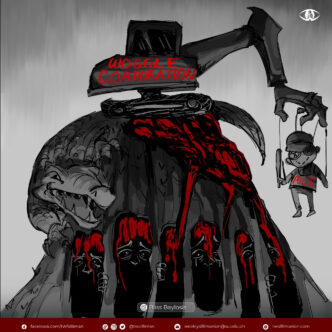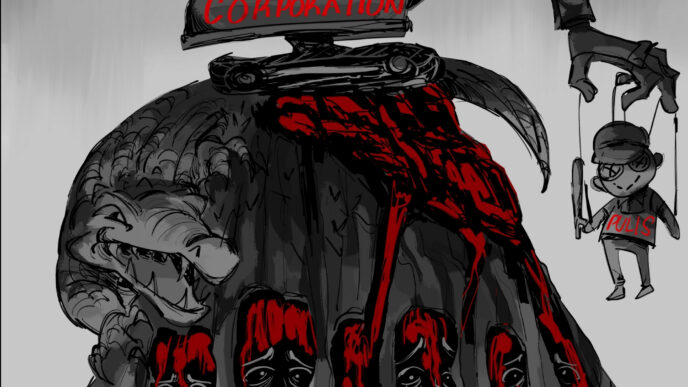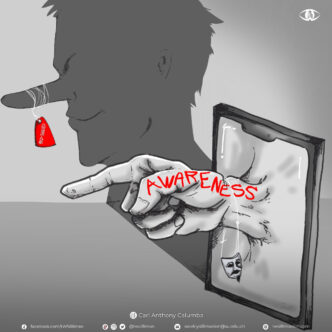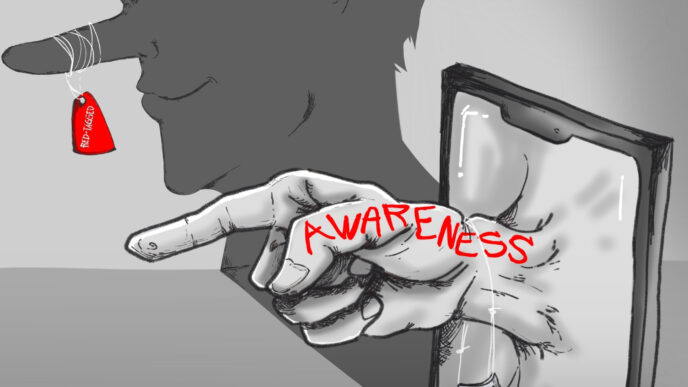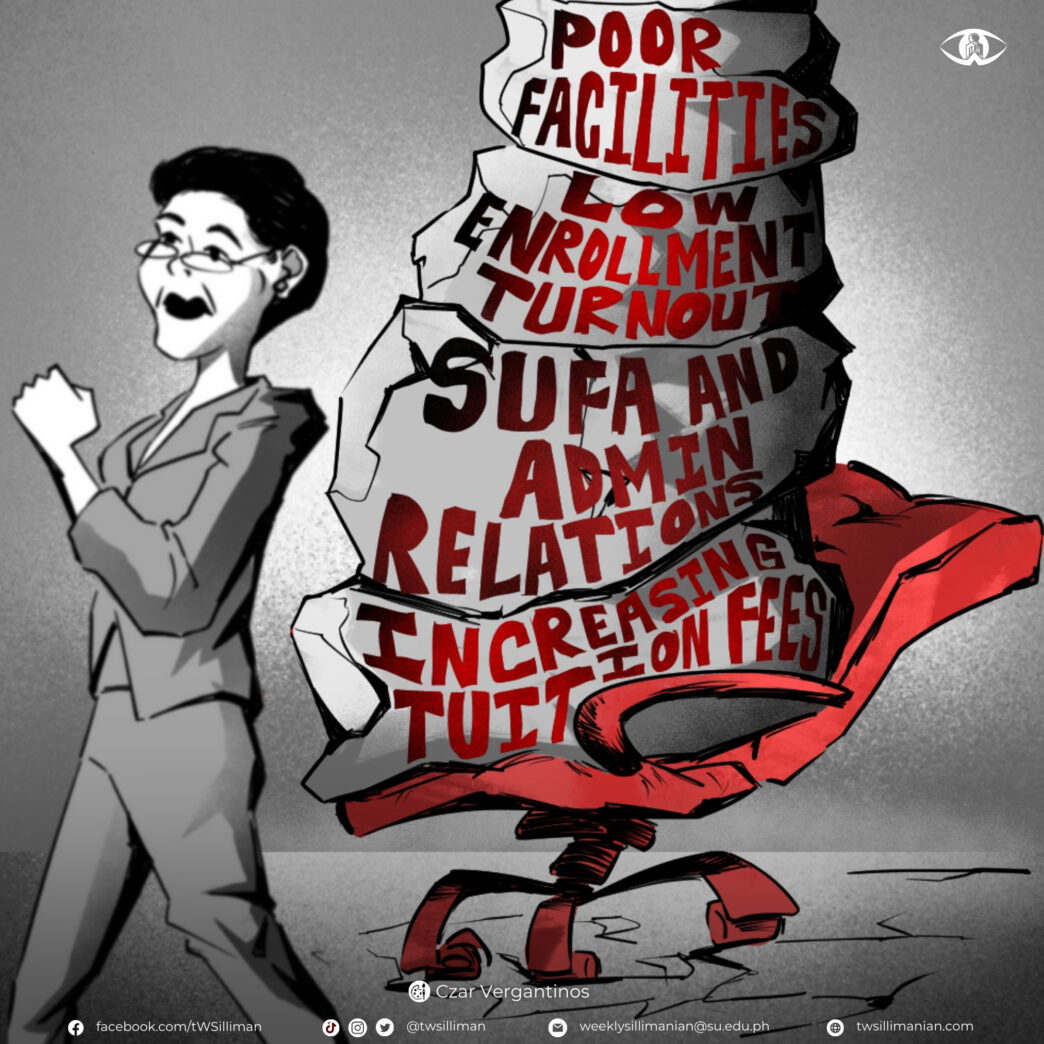
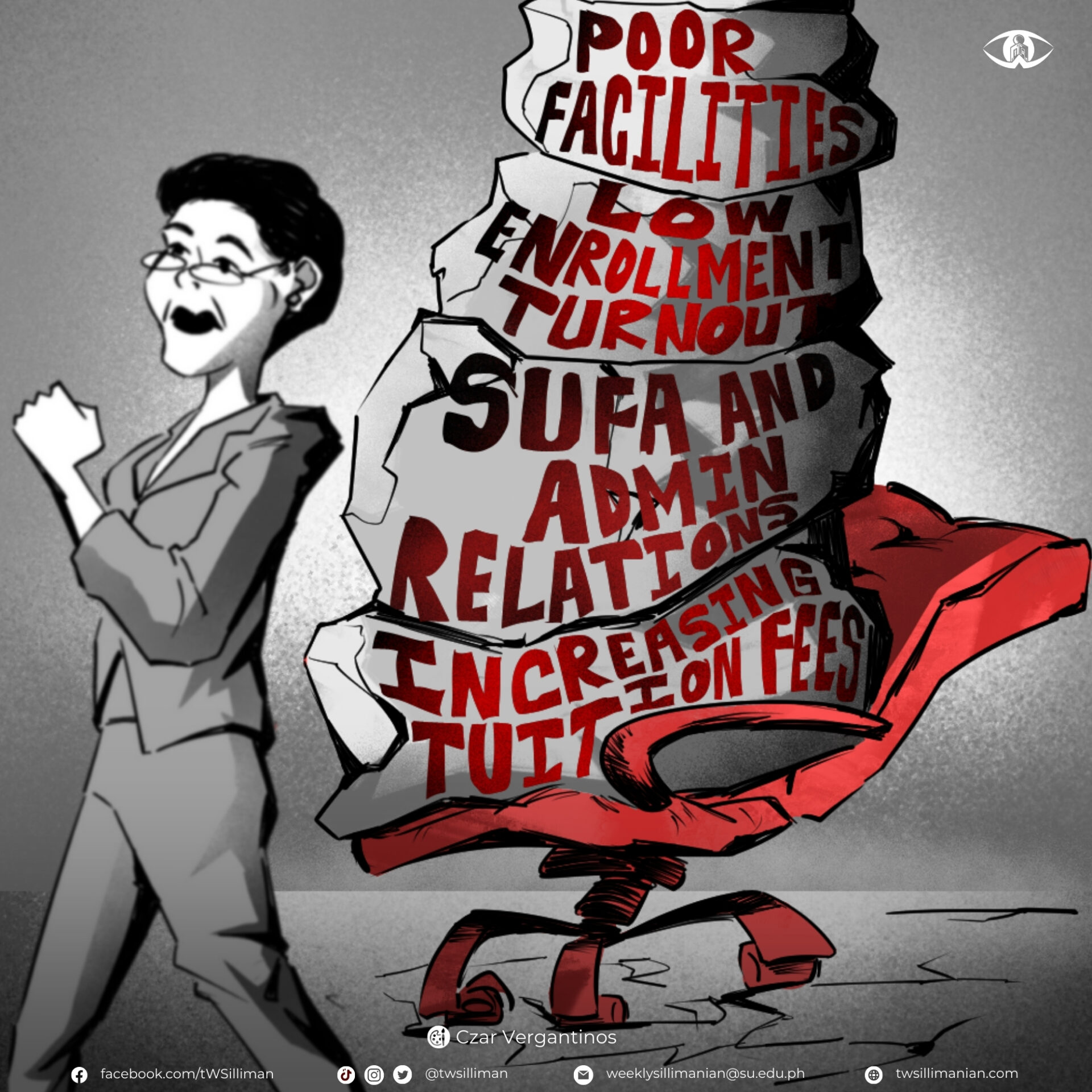

Silliman University President Dr. Betty Cernol-McCann’s sudden resignation will leave the university in a transitional limbo. Amid simmering tensions over tuition fee hikes, declining enrollment, and fractured faculty relations, the Board of Trustees (BOT) and Vice President for Academic Affairs and Research (VPAAR) must emerge as the linchpin for stability and reform.
Last Jan. 14, the Silliman community was stunned by the announcement of McCann’s abrupt resignation, which will be effective at the end of the current academic year. This came out as the president’s early exit, despite her tenure being renewed by the BOT through 2027. It drew widespread attention, with some expressing gratitude for her service while others expressed dismay and cautious optimism for potential reforms.
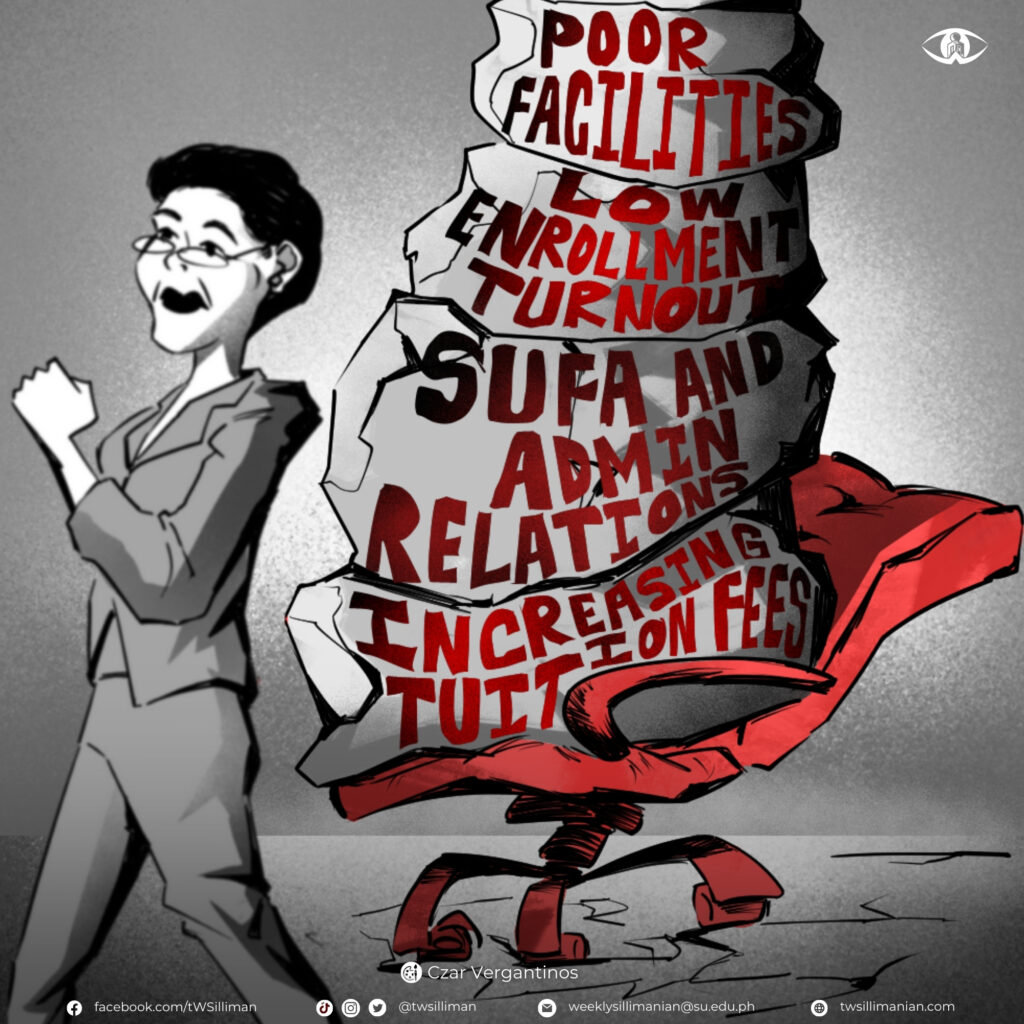
Whether her stepping down has been long planned or not, one question remains critical: Who will steer the path for the university? Under McCann’s administration, students saw a booming 7-percent hike in miscellaneous fees in 2023, and another 4.4 percent increment in 2025. Lab, energy, and college fees rise without broad student consultation. Faculty union relations soured from historical strikes to recent supplemental bargaining, yet grievances persist. Concerns about decaying and the lack of facilities are still unresolved, affecting the learning environment of students.
Moreover, the university saw a drastic drop in enrollment this school year, leaving departments and colleges in the face of looming budget cuts. And what we don’t see coming? Fee hikes might fuel student and faculty woes, wounded faculty relations might hamper morale and teaching quality, and languished facilities might deter prospective students and further lower enrollment.
McCann’s untimely departure thrusts the BOT and VPAAR into interim oversight to grapple with these challenges. It may appear that the BOT lacks direct operational control, deferring to administrative decisions, yet they still have the statutory power to appoint officer-in-charge and set new policies, as evidenced by their renewal of McCann’s term.
Administrators assert that external factors like regional economic inflation or CHED policies drive tuition woes more than leadership, and that vacancies are routine, with academic affairs continuing seamlessly under deans. However, leaving the presidential seat with a stack of institutional problems might only worsen the implications.
The Weekly Sillimanian believes that streamlined leadership transition and inclusive dialogues must be put in place, not sooner or later. The BOT, as fiduciary guardians of the administration, must convene to find a way to enforce accountability and proactive intervention by auditing past budgets, probing enrollment strategies, and fast-tracking infrastructure fixes.
Otherwise, it must appoint a competent officer-in-charge to stabilize operations, while launching a transparent presidential search with the involvement of faculty, student government, and alumni. This dual approach will ensure not just accountability, but also rebuild trust and position the university for resurgence.
The presidency will be vacated in the coming months, and the BOT’s actions will now define not only the administration’s interregnum but also the university’s future.