
By Ryanne Czarina Villegas
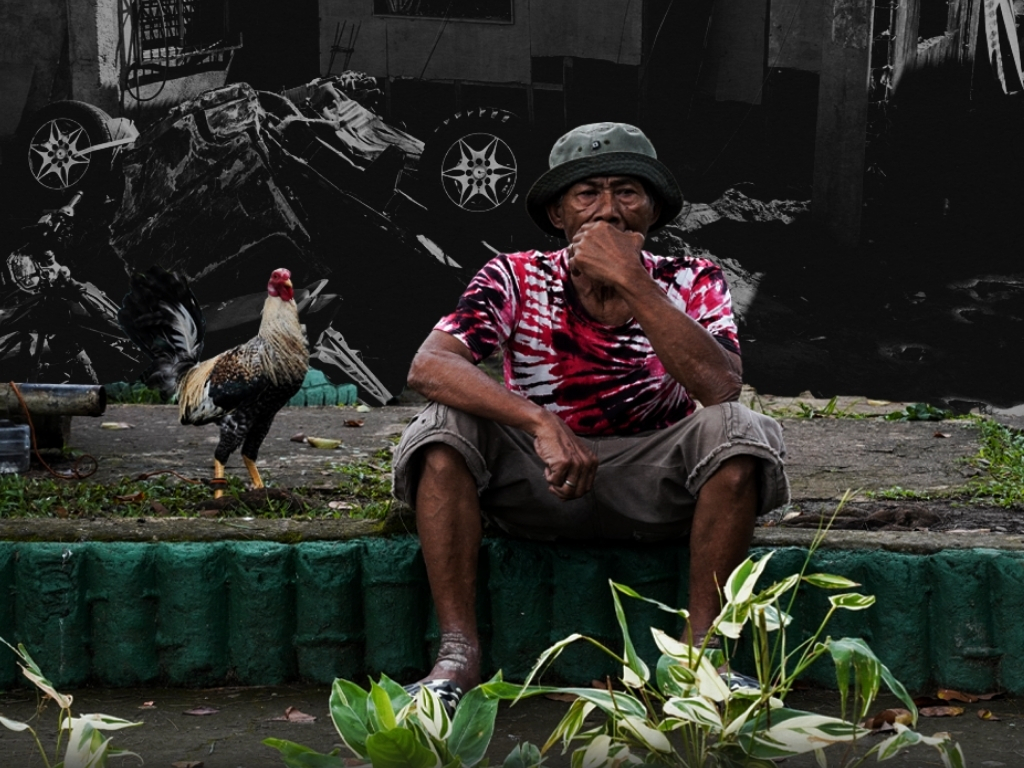
The images from the aftermath of recent storms are devastatingly familiar. Homes shattered, infrastructures in ruins, and desperate families displaced—all queueing for aid. For days in November, the world watched as consecutive typhoons hit the Philippines at an alarming rate.
The country is still reeling from being hit by two back-to-back storms. Super Typhoon Uwan grabbed global attention with its strong winds and huge financial toll, but somewhere in the chaos, the human tragedy of Typhoon Tino struck harder. And some of its deadliest impacts quietly fell on Negros Island.
Tino was not just rain. It dumped months’ worth of water in a matter of hours, flooding streets, triggering landslides, and trapping homes under rising torrents. In both Negros Occidental and Negros Oriental, the storm left a deep, painful mark.
According to the National Disaster Risk Reduction and Management Council (NDRRMC), 77 people died in Negros Occidental and 23 in Negros Oriental as part of the combined Tino and Uwan toll of 297. The fatalities on Negros is especially striking when you realize it is second to Cebu’s 150, along with other hard-hit areas.
In Negros, disaster responders faced more than just flooding. It was compounded by a threat unique to the island: lahar flows from the Kanlaon Volcano. These torrents of volcanic debris buried roads, isolated entire communities, and turned rescue missions into near-impossible tasks.
Almost one million residents in Negros Occidental were forced to flee. For many, evacuation meant abandoning not just homes but generations of livelihood. The storm did not just wash away property, it washed away the foundation of many people’s lives.
The local economy, heavily tied to agriculture, suffered nearly ₱2 billion in damage. Swept-away livestock, drowned crops, and fishery losses alone reached over ₱428 million. For small farmers and coastal families, this wasn’t only a temporary setback. It meant the collapse of stability, food security, and the promise of recovery that now feels out of reach.
While help has begun to arrive, some residents say it is insufficient. Relief packs rarely match the scale of displacement, especially with lahar-blocked roads slowing every delivery. Some communities wait days before seeing a single rescue vehicle. Others rely on local volunteers making risky trips through unstable terrain just to deliver drinking water. A news article stated:
“Our province is suffering in silence, and we urgently need help. We hope that more people, organizations, and volunteers can coordinate with the local LGUs, and NGOs, to reach those who are most affected,” read an email from a Negros resident sent to Follow The Trend Movement (FTTM).
Negros now carries more than 200,000 damaged homes and nearly one hundred fresh graves. These scars should not sit in the margins of national conversation. They belong in its center, alongside every other community fighting to rebuild from the storms of 2025.
The challenge now is ensuring that national sympathy and support reach every community affected by these storms. The spotlight often falls on the most visually dramatic destruction, but the quieter tragedies—those marked by floods, isolation, and loss—deserve equal space in the country’s conscience.
Recognizing the suffering of one region should never eclipse the struggles of another. As the Philippines continues to recover from the twin blows of Tino and Uwan, Negros Island must be included not as an afterthought, but as a vital part of the national story of rebuilding.