
By Lara Charmaine Lagorra
The moon is up. Study cafés and libraries are packed with students hunched over piles of work. Coffee, energy drinks, and menthol inhalers become essentials, keeping you from dozing off. This is the culture of pulaw—staying up late, sacrificing sleep for the grind, and even bragging about how little rest we get just to show how much hustle we put in. In its consistency, it became a norm we rarely question.
Rest has become a luxury, an act of guilt synonymous with laziness, and we often brag about how little of it we get. A badge of honor, whether for academics or organizational work, this all-nighter culture is deeply ingrained in student life. But beneath lies a growing concern for students’ health, well-being, and academic performance, which promotes a culture of toxic productivity that does more harm than good.
Saying things like, “I haven’t slept for days,” or that “coffee and energy drinks have become part of my immune system,” shows this. The effects of it eventually catch up, slowly wearing us down like physical exhaustion that leads to headaches, weakened immunity, and constant fatigue.
The obvious signs—dark circles, puffy eyes, and headaches— are hard to ignore. The constant mood swings we all feel at once: anger, frustration, irritability, and sadness. Then there are the frequent crashouts when we all break down, screaming and crying, wishing backlogs and deadlines would vanish in an instant.
Students often resort to skipping meals to maximize every minute of their day. When even basic needs begin to feel like interruptions, it reinforces the idea that any pause, no matter how small, puts them at risk of falling behind. Many start to believe they don’t deserve the luxury of rest or relaxation. Even after finishing their work, their minds remain caught in doubt, questioning whether they truly deserve to rest based on their performance.
Eventually, this leads to burnout disguised as “normal” student life and something we are expected to endure. All-nighters create a vicious cycle: we stay awake to catch up but end up falling further behind, which leads to more sleepless nights to compensate. A damaging loop that slowly neglects the body and mind, as burnout impairs the ability to manage stress effectively.
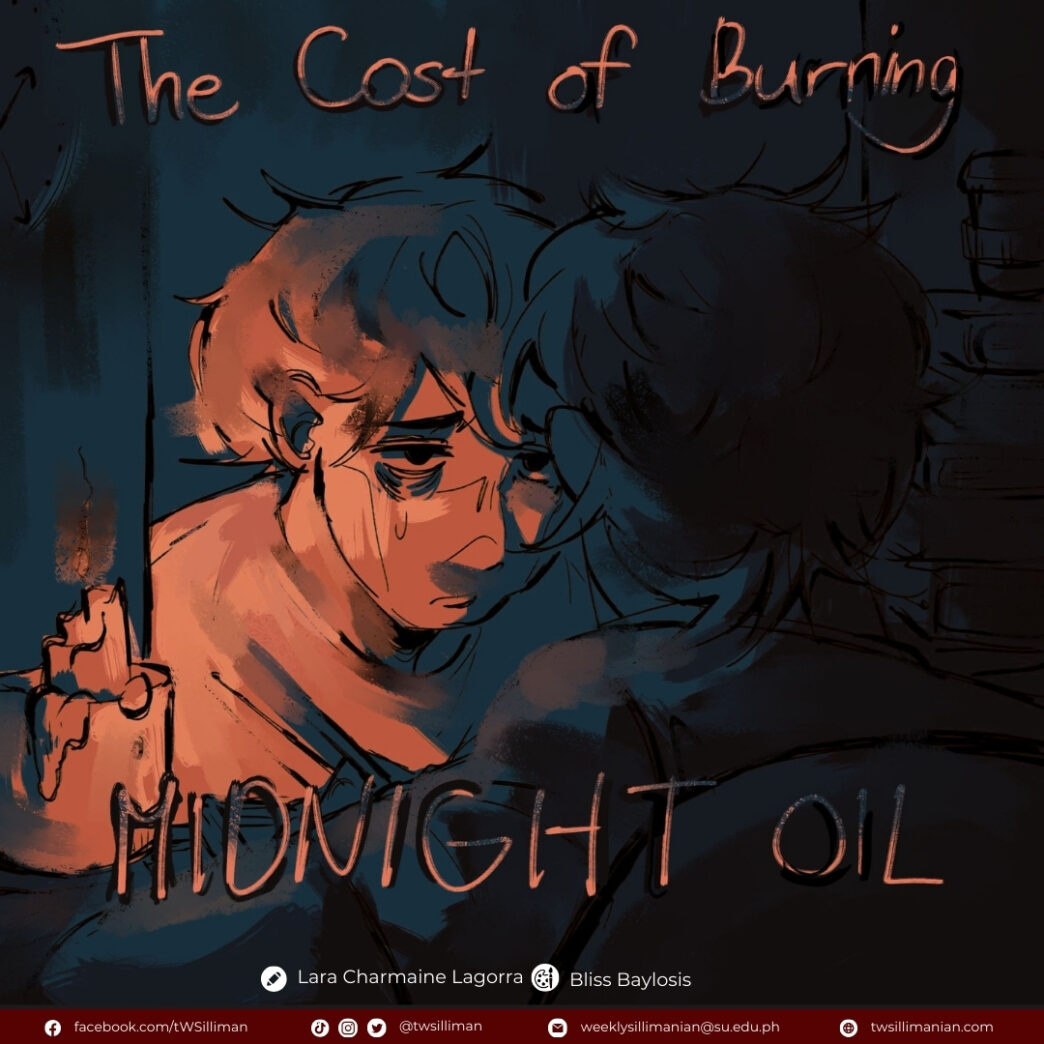
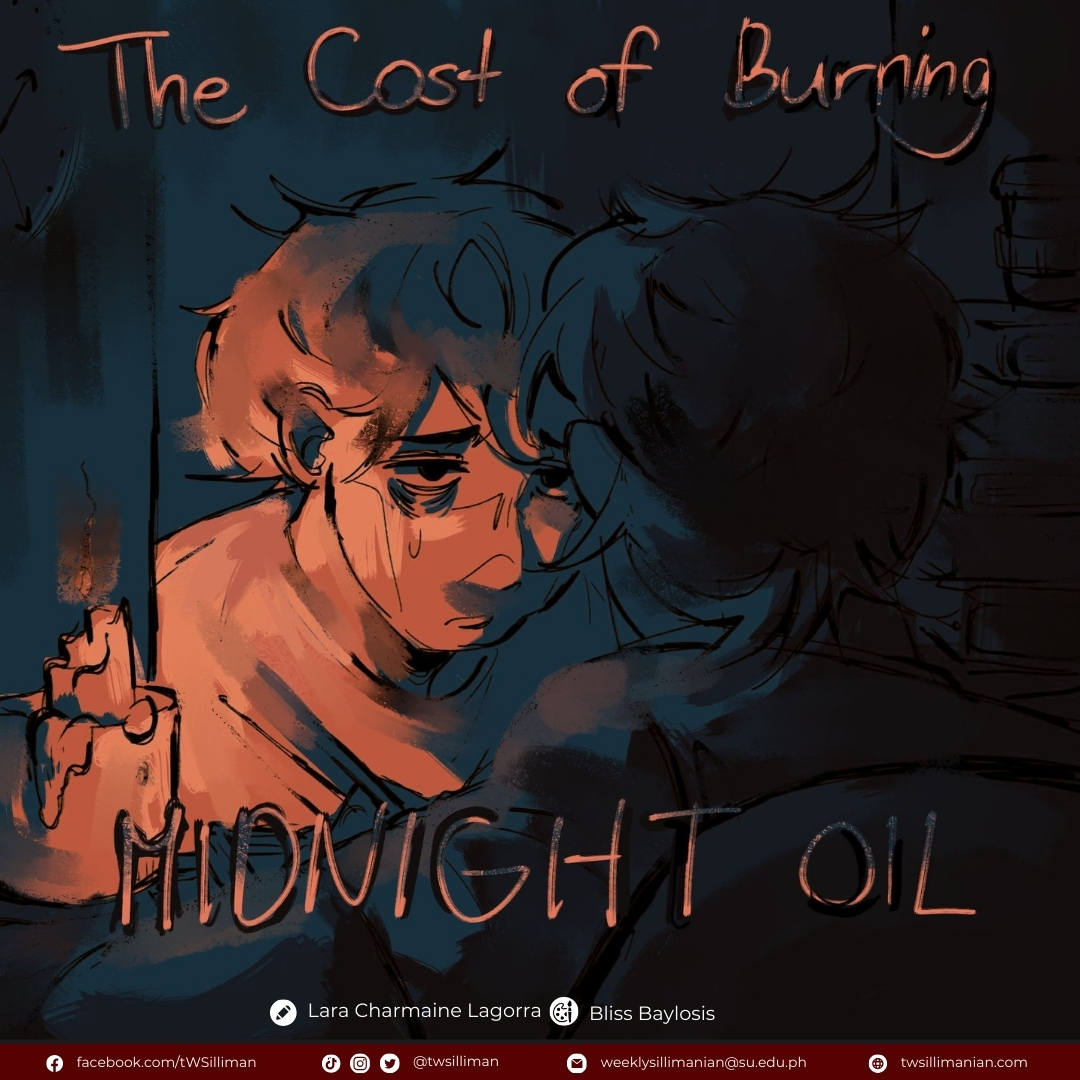
The midnight oil we try to keep burning quietly dims down without warning, and the edge of our willpower adds fuel to a fire that slowly overheats our mind and body. We need to take a breather and pause for a moment. This starts in finding a balanced discipline in the demanding culture of the world. While pulaw culture persists, we should stop treating exhaustion as an achievement and rest as a risk.
Rest is not laziness; it is a responsibility and an act of self-love. Prioritizing sleep doesn’t mean we are doing less; it means valuing ourselves over the possibility of burnout. Breaking this cycle requires us, students, teachers, and workspaces to foster a culture that respects, normalizes, and encourages rest, not one that rewards exhaustion. At the end of the day, we need to simply close our laptops along with our eyes.
It’s okay to say you deserve a break. And it’s okay to take it.
So take that nap or enjoy a meal or snack. Don’t let yourself feel any less worthy than you are right now by what you are doing or not doing. Give the midnight oil a break to keep it from burning out, and in that way, your light lasts longer, grows stronger, and shines brighter in the days to come.