
Sillimanians have long been proactive in offering help to calamity-stricken communities by initiating relief operations; whether in-kind, monetary, or expertise. When earthquakes and typhoons strike, the Silliman University Student Government along with student organizations are quick to run donation drives, with typhoon Tino being the most recent.
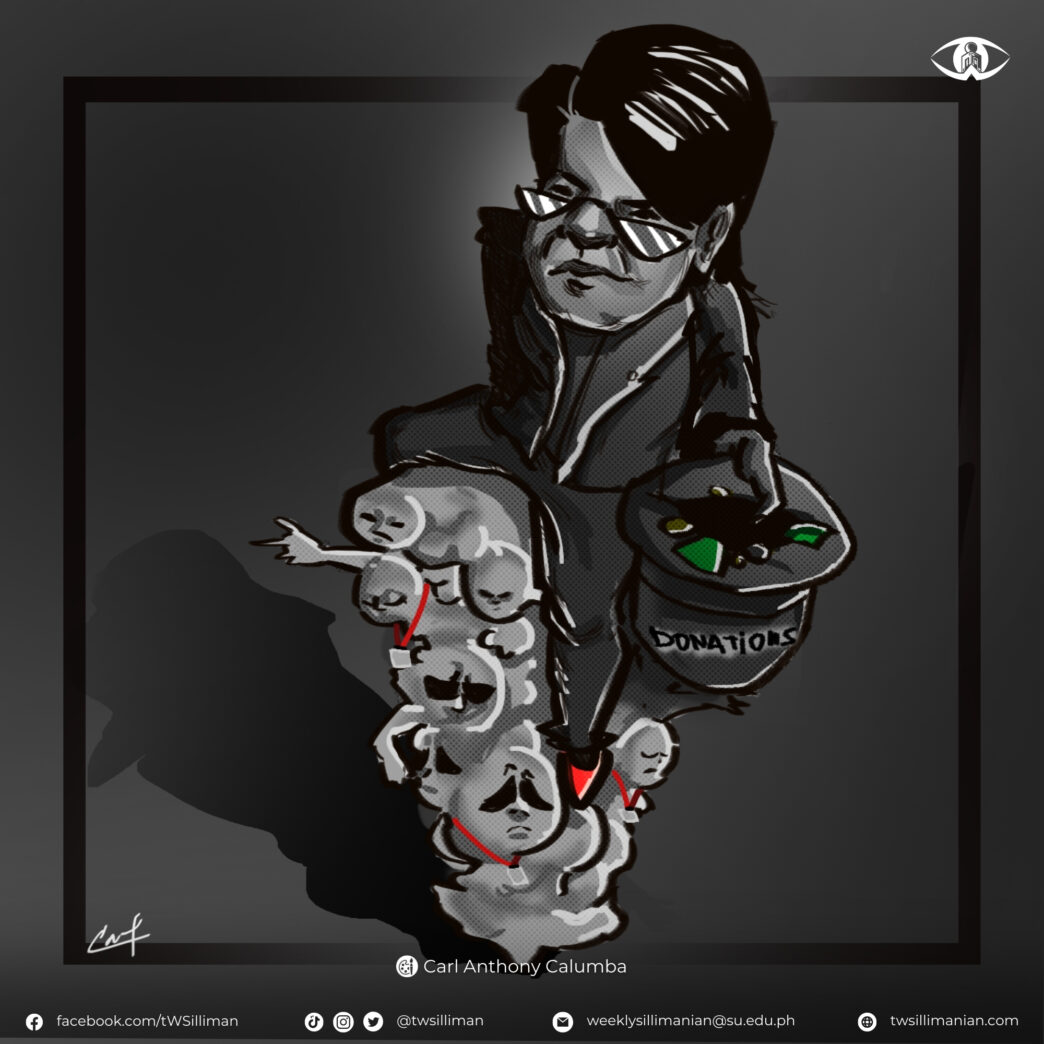
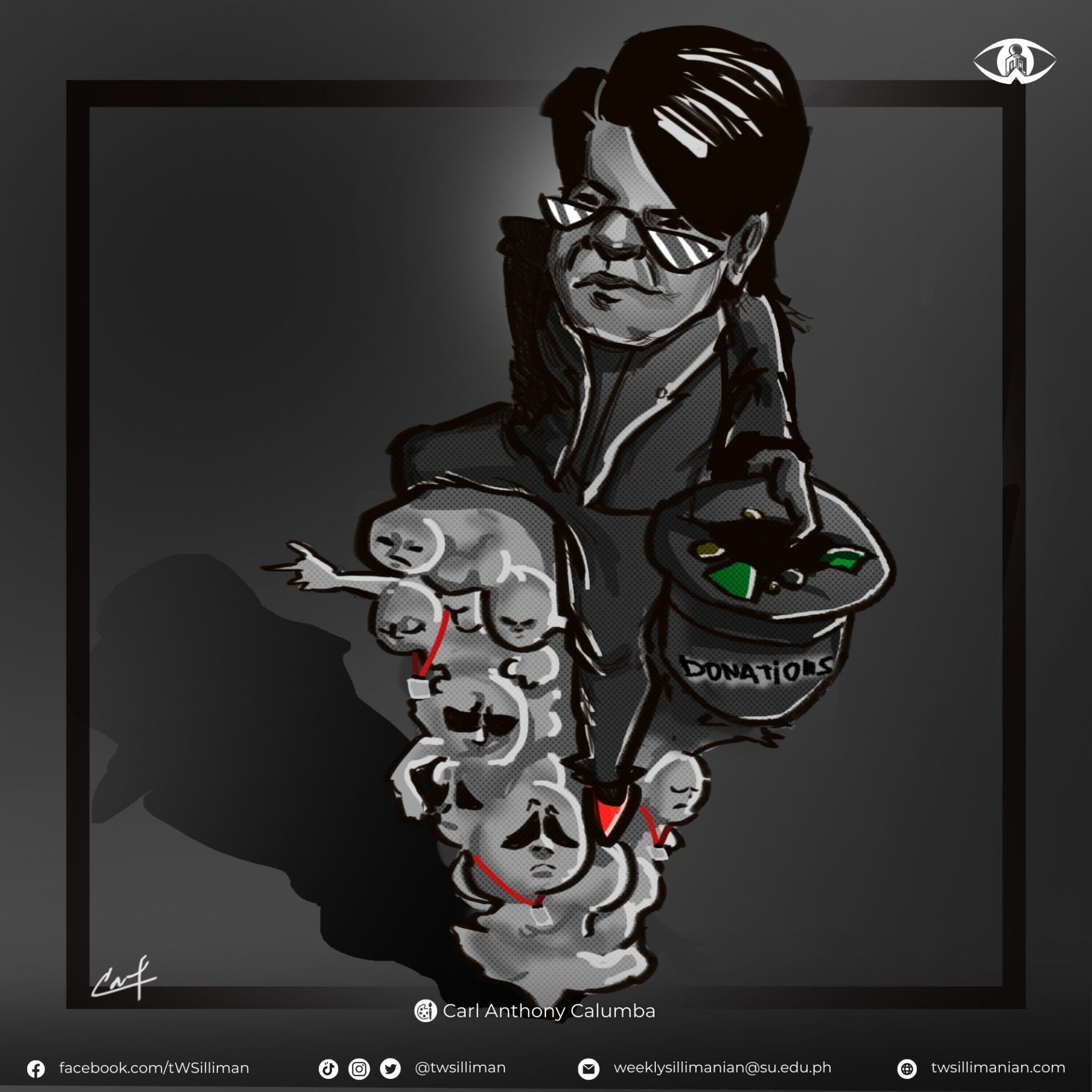
The SU administration, on the other hand, mobilized its independent aid mission through the University’s Continuing Calamity Response Program. When the Office of the President wrote an appeal, asking for specific donations from different colleges from Nov. 15 to 22, student councils were confused whether the directive was purely a request or a command.

Most academic units were directly assigned to donate an amount of items from kitchenware and hygiene and sanitary items to food and clothes to meet their quota of 850 relief packs as listed in its memorandum. Even non-academic staff and members of the Board of Trustees were not exempted from the list.
Kapunungan sa mga Mass Communicators Governor Luke Timothy Burbano made a point during the SUSG State of the Student Body Address when he raised that the request of 1,700 pants, even when shared among four departments, is difficult for a 90-student college to procure. Similarly, the SU Physical Therapy Student Association found that the over 3,000 toiletries are a financial burden to their council.
Although the administration’s effort presents itself as an image of bayanihan of the Silliman community, what dismayed the councils was not just the amount of donations needed to secure, but the fact that they have already exerted resources and manpower to student-led donation drives.
It further failed to acknowledge that SUPTSA, KMC, and other student organizations have already worked their way in lending an amount of donations to The Silliman Initiative, a relief effort arm of the SUSG, alongside other external volunteers.
While the Office of Media and Public Affairs clarified that the requested amount of goods was merely a preference and not mandatory, the directive was issued without consulting the student body. And concerningly, it only allotted colleges a week to fulfill.
Truly, help should be offered without keeping score. However, a second round of donations, especially when directly requested, may appear to students as a demand rather than a simple appeal.
The Weekly Sillimanian implores the administration to explain why it chose not to coordinate with the SUSG’s relief initiatives, which share the same objective. While the League of Governors has reached out to the administration, no formal response has been received as of writing.
This spirit of volunteerism reflects the university’s vision of fostering “enlightened social consciousness and a deep sense of justice and compassion” among its members. If the administration genuinely wants to aid families in urgent need, it should take a more proactive approach by collaborating closely with students and volunteers.
True bayanihan thrives in unity. The administration and students must join and act hand-on-hand to continue its mission in uplifting those in need.