
By Natalie May Sioco
Blank would be the only word to describe the document that supposedly should be filled by now. AI? Art? An hour has passed yet every single attempt feels messy, half-formed, and refuses to take form on this page.
But then again, what if this struggle, the faltering, frustrating mess of trials are what makes art—art.
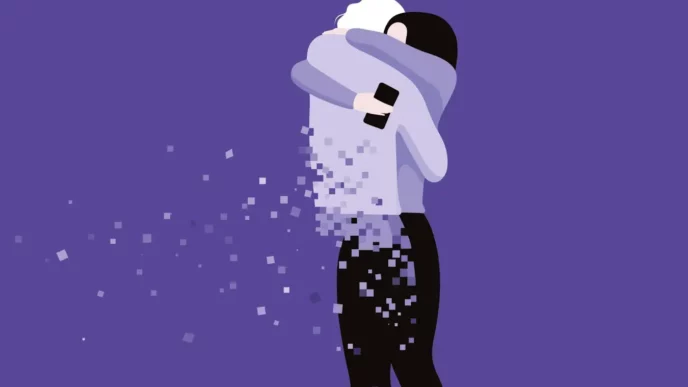
It is said that to be human, one must always yearn for perfection, yet artificial intelligence (AI) spends its whole being trying to replicate human imperfection. As art was never meant to fuel the human heart with faultless curation; it was meant to reveal the raw and jagged edges of consciousness.
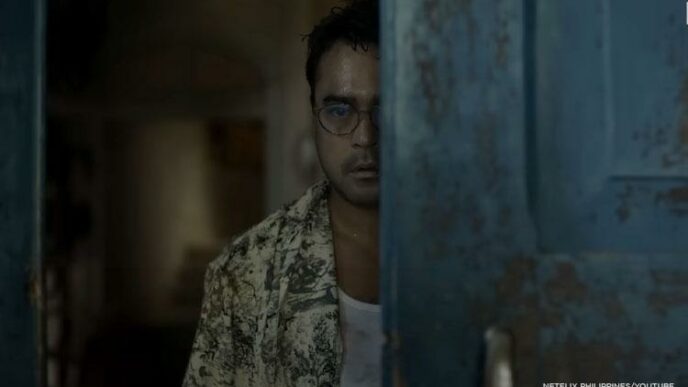
So when a Filipino short film made with AI, “Portrait No. 72,” appeared among the finalists of the world’s first AI film competition held in Dubai, it was only a matter of time before the lines between AI and human creativity began to blur.
Rodson Verr Suarez and Darryll Rapacon, the creators, hailed its performance in painting a period of grief. Yet such machinery did not carry these emotions, it was merely tasked to evoke what it had no firsthand knowledge about, collecting scraps from human experiences online.
Why? Why couldn’t grief be created from the creator’s own hands? How come using something so contested and detested in today’s society was a worthy burden to carry?
Perhaps it was the lure of technology— how fast, efficient, and how it puts pieces together where it often feels hard to complete the puzzle of a human’s complex thoughts.
Still, not every prompt can arrive as a finished product. It is in need of revisions, refinements, and adjustments before it answers to the standards of prompters.
AI doesn’t make the adjustments nor the command behind every creation. Guess it’s safe to say that humanity isn’t so doomed after all.
Just as a camera does not own the photograph, and a brush does not claim the painting, AI does not claim the work. Authorship belongs to the one who directs the process. The one typing away a prompt for AI to produce, the one to order for certain revisions, and the one to decide the final product. Because meaning, it does not come from a tool, it comes from the thought or context of anything.
And in the same way we have been deciding what we want AI to create, we are also in a position to decide what AI can be for one’s life.
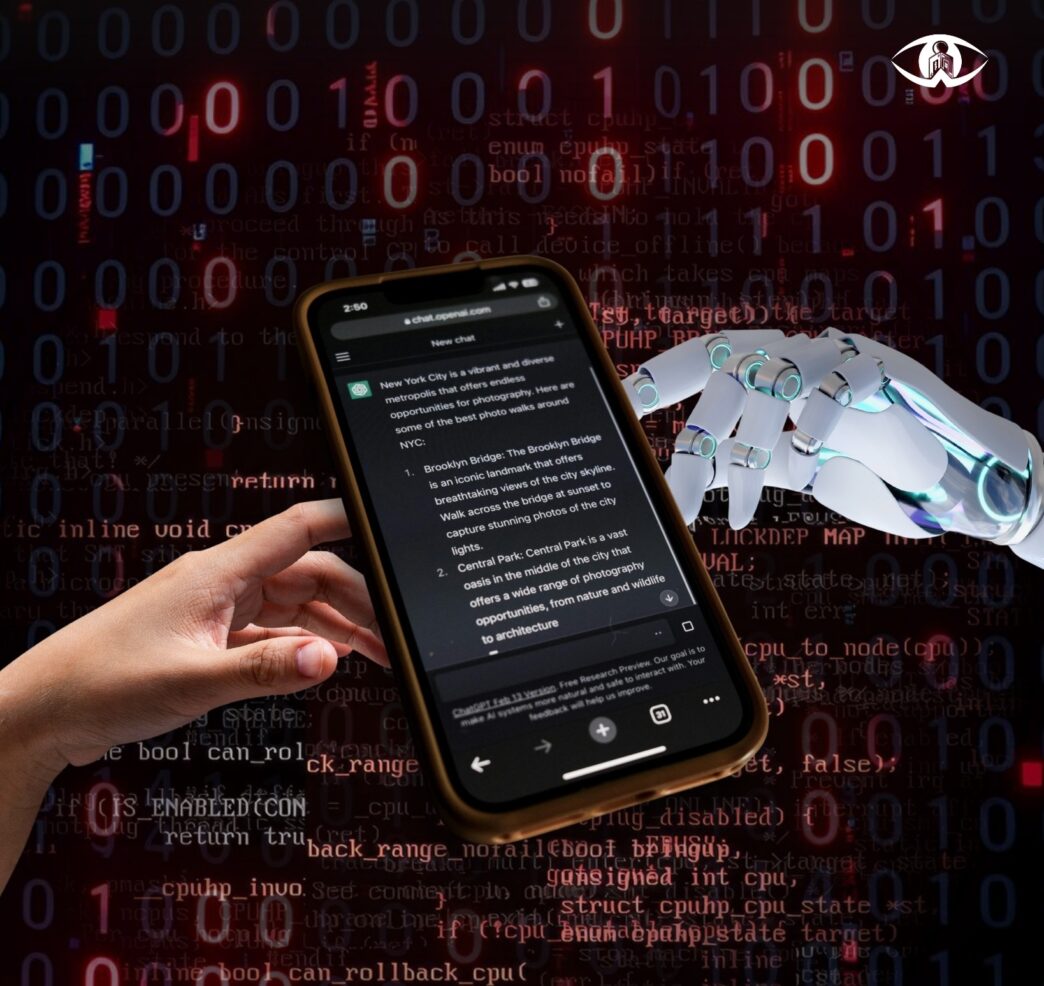
With that let it be a reminder—when did AI ever plan to “replace” humans? It never claimed such allegations. Never has it been AI to deem itself a replacement, matter of fact it only ever labelled itself as a tool, a mere assistant to humanity. After all, was it not the misuse and misconception of humans that led to this debate?
That is why the fear of being replaced feels misplaced. Creation begins and ends with the one who chooses to make it. The questions, the doubts, the moments of hesitation, all of it rests with the person shaping the work. Humans are the ones who decide why something matters, the final say has always been within arms reach.
A single art is an embodiment of thousands of thoughts, all from pure human creativity. Each stroke with a purpose, an intention that cannot be copied. In the end, it’s the mind that conjures, while AI echoes.