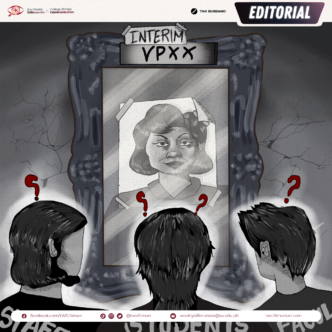
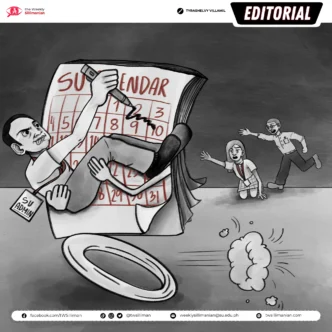
An uncharacteristic unpreparedness and dysfunction spoiled the recently-concluded All-University Intramurals. What was supposed to be an event that brought together students from different colleges instead highlighted the systemic disconnect that happens when event-planning is done without proper coordination and communication between its organizers and participants.
This disconnect stemmed from the controversial last-minute removal of the Senior High School from the sporting event. Initial bracketing was already decided prior to their removal, but tournament managers had to rearrange the seeding a few days before the start of games. With their exclusion, fewer matches between colleges were plotted and fewer spots could be secured past the elimination rounds.
These last-minute and often unannounced changes in schedules caused colleges to adjust with limited notice. For instance, matches for larong pinoy and volleyball were moved earlier than expected, while sports such as football faced delays. Students expecting to cheer for their college were likewise uninformed when games such as basketball were cancelled for a day.
Smaller colleges were most affected by these late adjustments as student-athletes, who were already committed to various sports, scrambled to be at two or more places at once. They were also dealt little fighting chance as the new bracketing systems gave them even smaller chances to slip past the elimination rounds.
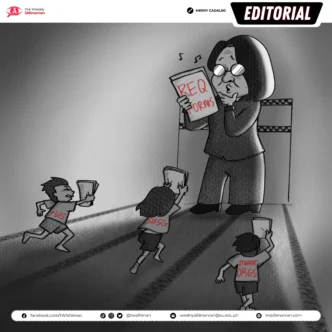
Moreover, the lack of a direct and central communication line between the Athletics Department and student body saw this breakdown of information. Consequently, students had to rely on word-of-mouth or group chats to issue updates about the games. This poses a problem as they should have a verifiable platform to reach out to.
This, despite the Silliman University Student Government Sports and Recreation Committee acting as a liaison, affirmed that concerns couldn’t be immediately resolved and addressed as they were only waiting to receive the final schedule and bracketing from the Athletics Department . Even the committee’s efforts at providing guidance to colleges proved to be band-aid fixes as they had little power over the decisions made by the higher ups.
The Weekly Sillimanian urges the Athletics Department to seek ways to centralize and expedite the dissemination of information during Intramurals, making sure that colleges receive game schedules in a timely manner. While organizing large-scale events like the Intramurals is expected to have its fair share of challenges, it shouldn’t come at the expense of the students’ ability to prepare, participate, and compete fairly.
For any event to be a success, a clear line of communication and transparency must be drawn. Otherwise, to whom will the students turn to when issues arise that are out of their control?