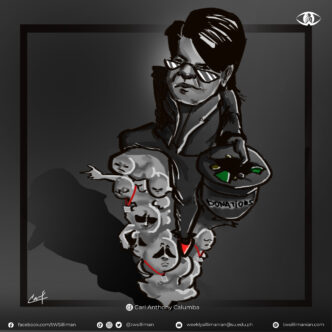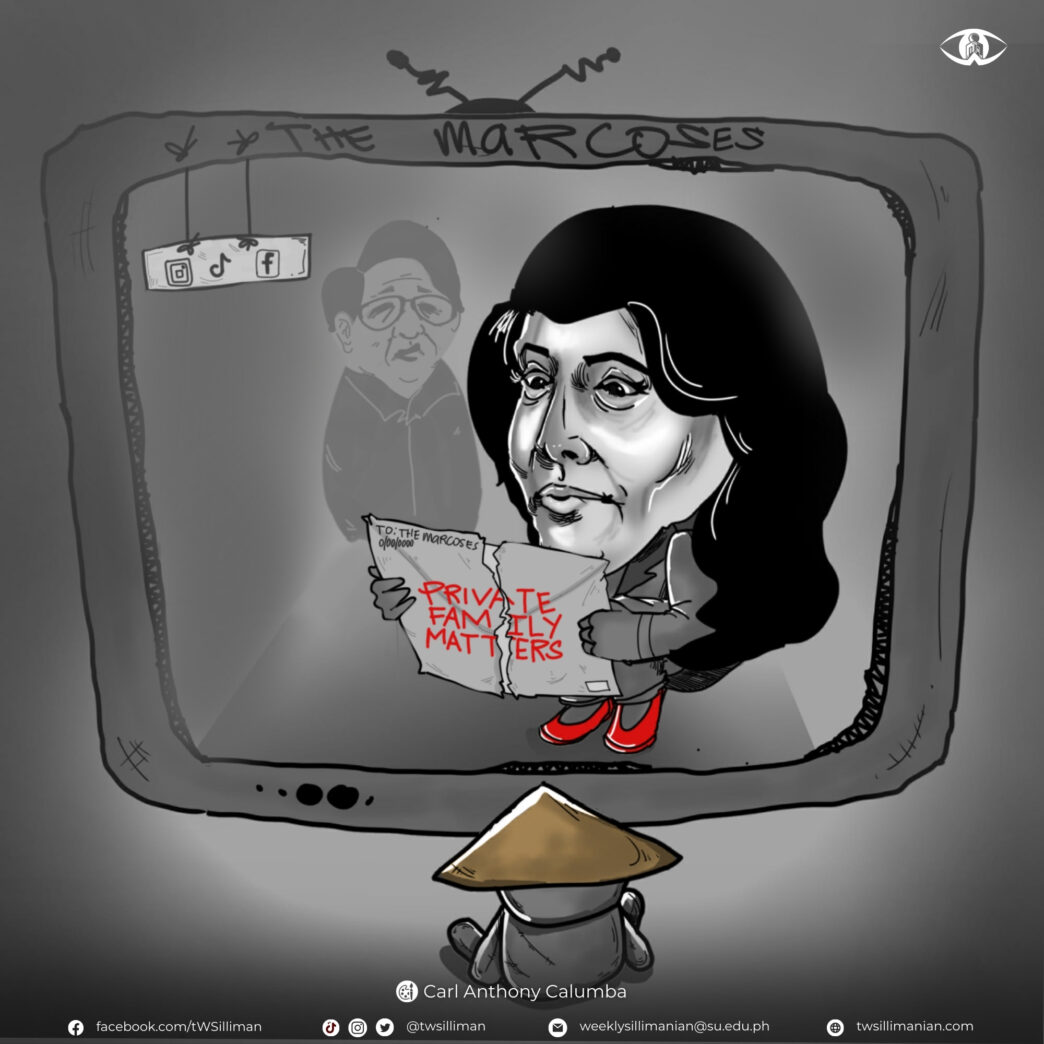
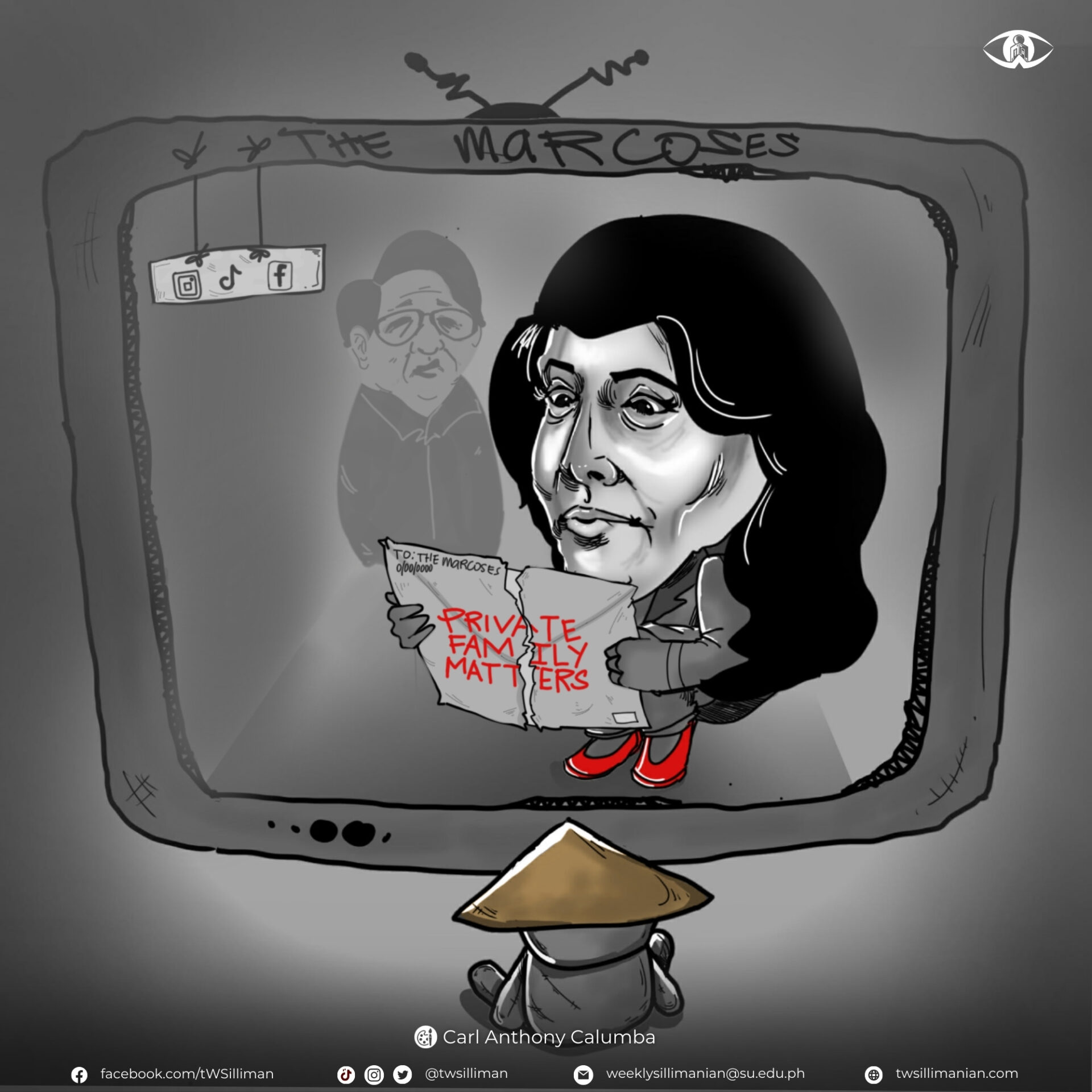

Like clashing siblings in hit reality television shows, the ongoing rivalry between President Ferdinand Marcos Jr. and Senator Imee Marcos became one of the biggest headlines in politics this year.
What started as a corruption scandal has now spiraled into public accusations of drug abuse—ones that are not delivered in Congress but rather a religious and political gathering, particularly by the Senator during the Nov. 17 Iglesia ni Cristo rally against corruption that drew over 600,000 attendees.
Essentially inviting the Filipino public to watch their family’s secrets unravel, the spectacle was quickly shut down the following day. Marcos Jr., through his presidential communications office, dismissed the allegation and deemed it as a desperate attempt to destabilize the administration amid ongoing graft investigations.
However, the problem is not merely in the accusation itself or in the president’s response. It is the fact that what once was a protest against corruption became a public airing of a powerful political family’s feud.
The shift from structural grievances to sensationalized family warfare points to a much larger problem: our politics is starting to resemble reality TV more than proper governance. And while such drama unfolds, Filipinos must remember that their drama is not entertainment.
These figures are simply not celebrities whose consequences are limited to gossip. The Marcoses are leaders who hold authority, power, and a responsibility to govern—all of which are entrusted to them by the public’s voting power. But because of this feud, the thrust of civic grievances into the spotlight turned into a political catfight; relegating the electorate into its mere audience.
And therein lies the question:
Did Filipinos exercise their suffrage just to simply become spectators of family drama? If politics devolve into sibling rivalries, dramatic allegations, and sound-bite conflicts, then our democracy is being reduced to a show.
We must remove ourselves from the position of an audience and return to becoming active agents of democracy. This begins with building a more robust voter education system where Filipinos learn the importance of their suffrage—especially when used correctly.
The Weekly Sillimanian calls for government systems to improve the education programs available for voters, and fight for an electorate that demands accountability and not sensationalism. A voting body that finds values in development and not drama.
When we allow our politics to parallel reality TV, our government loses more than its decorum. It loses its purpose and, eventually, its power.