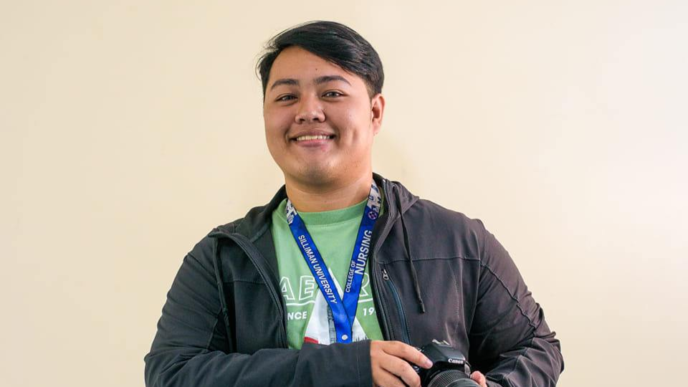


By Anne Beth Melodia
We live in a competent yet chaotic world, one that demands perfection. A world that applauds strength but undermines our weaknesses. A world where a smile is often taken as a sign that everything is fine, and struggles are quietly concealed. Yet behind many smiles lies a story kept behind closed doors—an invisible battle fought in darkness, a secret unknown to all.
Mental health is not a matter of weakness or failure. Experiencing extreme feelings of emptiness, sadness, worthlessness, guilt, or a loss of interest in the things we were once passionate about does not make us less capable or less worthy. In fact, it makes us human. Acknowledging that you need help is one of the bravest actions a person can take. Sometimes, the most brutal battle is simply admitting, “I’m not okay.”
Earlier this year, a young adult made headlines after taking his own life following the pressure of failing a single requirement, despite otherwise performing well. This tragic event serves as a stark reminder that mental health struggles can affect anyone, and that even minor setbacks can feel insurmountable.
While tragedies like this remind us of the stakes, there are also stories of courage that bring hope. Stories like Emmanuel Atienza’s show that saying “I’m not okay” takes profound courage and inner strength. As a social media star, she spoke openly about her struggles and used her platform to raise awareness, encouraging others to recognize their challenges and seek help. Her journey is a testament that compassion and understanding can spark change—even in ways that are often overlooked.
Communities can create safe spaces where vulnerability meets empathy, mental health discussions are welcomed, and people express themselves without judgment.
Normalizing asking for help and offering support helps individuals recognize their emotions as valid and human, honoring each journey without fear.
Creating supportive spaces as a community is essential, but change also begins with simple, everyday acts of kindness. And kindness does not have to be grand.Small gestures like a smile, a listening ear, a hug, a check-in message, or “I’m here” can profoundly impact someone’s life, reminding them they are seen, valued, loved, and never alone. These acts foster acceptance and genuine care within communities.
In a world that often treats life as a race, a little kindness can feel revolutionary.
So, to someone out there—be it a friend, a classmate, or even yourself—remember this: it’s okay not to be okay. And in that truth lies the simplest, yet most powerful choice we can make: choose kindness, always, in all ways.
It costs nothing, yet it can mean everything to someone quietly fighting the invisible battles behind the smiles we so often take for granted.