
By Ryanne Czarina Villegas
“Anong ipinaglalaban mo?”
This year’s Intramurals Cheerdance Competition challenged each college to answer the question and create action—literally—to forward their own cause.
After 14 passionate performances showcasing each college’s advocacy, four of them emerged as winners. The College of Engineering and Design (CED) Raptors was hailed as champions, followed by the College of Business Administration (CBA) Golden Bees as first runner-up, the College of Arts and Sciences (CAS) Blazing Phoenixes as second runner-up, and the Institute of Clinical Laboratory Sciences (ICLS) Hornets as third runner-up.
Beyond the rankings, the competition became a platform for advocacy. Through post-event interviews with team representatives, the colleges shared the intentions and messages behind their performances.
CED Raptors (Champion)
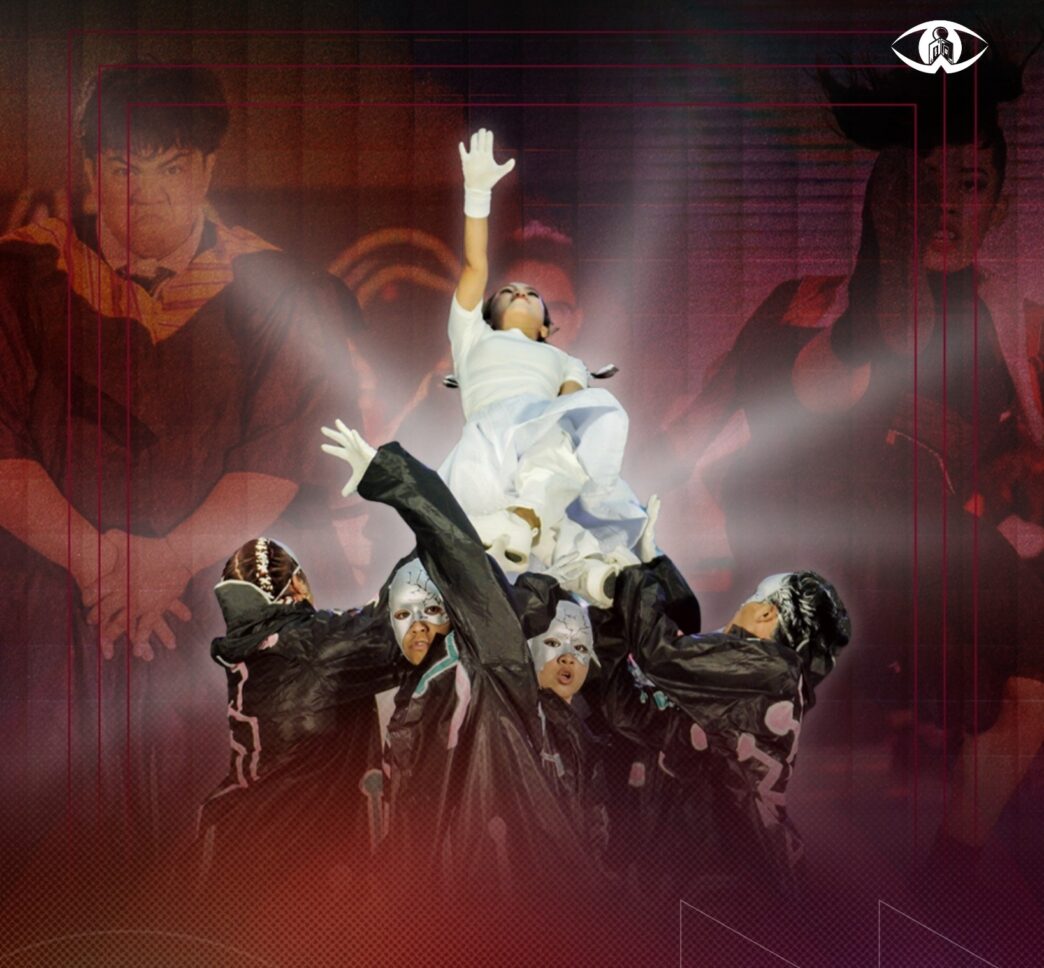
The CED Raptors rooted their performance in the growing conversation surrounding artificial intelligence and its role in society. CED captain Eunice Rebamuntan and member Steffi Estrellanes shared that the concept emerged from their everyday experiences as engineering students constantly exposed to technological advancement.
“Our theme was inspired by the rapid rise of artificial intelligence in today’s world,” they explained. As future professionals in a field driven by innovation, they recognized both the benefits and the risks that come with rapid technological growth.
From the beginning, they wanted their routine to reflect a central question about progress and responsibility. “While we recognize its advantages, we also wanted to highlight the importance of preserving human values,” they added.
For the team, the advocacy holds personal and academic relevance. They explained that technology continues to evolve at an unprecedented pace, and while it improves efficiency and convenience, it cannot replace empathy, creativity, and genuine human connection. Their performance became a reflection of that belief.
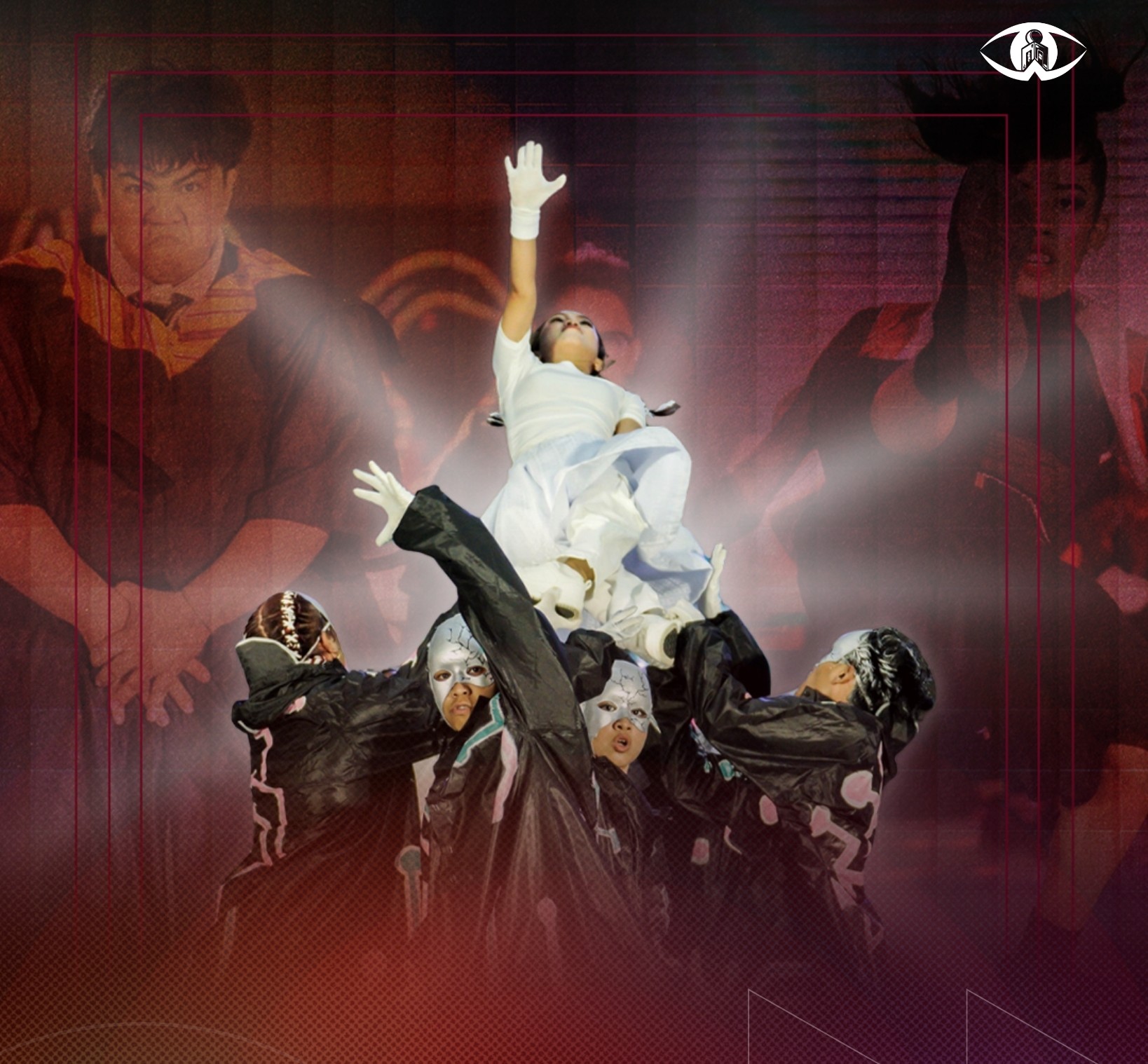
A defining moment in the routine occurred when one human stepped forward to challenge the AI. The mannequin representing artificial intelligence was lifted and thrown, symbolizing resistance and the refusal to surrender control.
“We wanted to show that even if progress feels overwhelming, we still have the ability to rise and take control,” they said. As the routine continued, the AI figures transformed back into humans, reinforcing the idea that technology is shaped by the people behind it.
The final scene showed a human holding the AI mannequin, symbolizing regained control and answering the question they posed: “AI or tao?”
According to Rebamuntan and Estrellanes, the message was clear that “no matter how advanced technology becomes, it is still human values, choices, and unity that determine the future.”
As the team bagged the championship title, they expressed their commitment to carrying their advocacy beyond the competition. As future engineers, they believe in promoting innovation that serves humanity rather than replaces it. “This win is not just about the title,” they said. “It’s about standing for something meaningful.”
CBA Golden Bees (1st Runner-Up)
The CBA Golden Bees secured the second place spot with a performance centered on the value of education and the realities many students experience while pursuing it. Team captain Jesvy Absin shared that their advocacy was inspired by the struggles and aspirations that often define a student’s journey through college.
According to Absin, the team wanted to reflect a truth familiar to many young people. Students often dream of building a better future, yet they encounter obstacles that make continuing their education difficult.
Financial pressures, academic demands, and personal doubts are part of that experience. Absin explained that the team chose the theme because they could relate to those challenges themselves.
“The youth carry the future of our nation, yet that future depends greatly on access to education,” he said. “As students ourselves, we understand the pressures, sacrifices, and doubts that come with the college journey.”
For the team, the advocacy carried personal meaning because they believe education can change lives and open opportunities beyond the individual. Absin emphasized that the message was not only about academic success but also about the role education plays in shaping communities.
“Education is not just a privilege but a powerful tool that can transform lives and create opportunities not only for individuals but for entire communities,” he expressed.
Absin said the team hoped the audience would recognize that education often requires sacrifice and determination. Through their routine, they wanted to remind viewers that doubts and challenges are part of the process, but persistence can lead to growth and accomplishment.
“Education is a journey filled with sacrifices, challenges, and personal battles, but it is always worth fighting for,” Absin said, adding that every student’s effort carries meaning beyond personal ambition. “When the youth pursue education, they carry not only their own dreams but also the hopes of future generations.”
Preparing the routine required the team to balance storytelling with the demands of competition. Absin shared that cheer-pop routines rely on synchronization, energy, and technical execution. Because of this, the team had to design movements that could convey the narrative of a student’s journey while still maintaining the visual strength expected in a competitive performance.
Achieving that balance required careful planning, teamwork, and coordination so that the choreography, music, and expressions would support the story they wanted to tell.
“Winning the competition gives us a platform to continue promoting the importance of education and perseverance,” he said.
Following their first runner-up finish, Absin said the team hopes to continue promoting their advocacy beyond the stage. For them, the performance served as a reminder that education remains one of the most powerful paths toward opportunity and change.
CAS Blazing Phoenixes (2nd Runner-Up)
The CAS Blazing Phoenixes grounded their performance in the issue of stereotypes and identity.
CAS captain Harvie Cadeliña shared that their concept was shaped by the labels often attached to Sillimanians by people outside the campus community.
“When we thought about the theme, we immediately looked at the labels we often get from people outside campus,” Cadeliña explained. “Some people see a Sillimanian and immediately think rich, [snobbish], or even [an] activist in a negative way.”
For her and her team, these assumptions fail to capture the diverse realities of students who are scholars, working students, leaders, and creatives.
The advocacy became a way to reclaim their narrative. Cadeliña emphasized that the team wanted to confront those stereotypes directly and present a fuller picture of who they are.
“We wanted to use this performance to reclaim our identity and show that we are much more than the rumors people spread about us,” she said.
Each segment of the routine was designed to communicate pride and authenticity. Their expressive movements and powerful formations challenged the assumption that being “extra” equates to arrogance. Instead, they framed it as confidence and individuality.
“The main message our dance wants to express is ‘don’t judge a book by its cover,’” Cadeliña stated. She added that being a Sillimanian means having “the courage to be unique, the heart to stand up for what is right, and the excellence to back it up.”
After clinching the second runner-up title, Cadeliña expressed that their advocacy does not end with the competition. They intend to continue challenging stereotypes through their leadership and actions within the university community.
By living out the values of Via, Veritas, Vita, they hope to demonstrate that their identity extends beyond assumptions and reflects the heart, purpose, and talent of their college.
ICLS Hornets (3rd Runner-Up)
The ICLS Hornets rooted their performance in the preservation of Filipino culture. In an interview with ICLS captain Kylle Ortiaga, he shared that the concept began during their Cheerpop preparations when their governor, Kyle Deluvio, suggested highlighting Philippine culture and history in a time of rapid globalization.
“During our Cheerpop preparations, our governor suggested the concept of preserving Philippine culture and history, especially in this era of extreme globalization,” Ortiaga explained.
From there, the concept of preserving Filipino dance culture took form, particularly in response to how modern trends such as TikTok dances often overshadow traditional forms.
For Ortiaga and his team, the advocacy carries personal meaning. While they recognize the influence and appeal of modern dance trends, they believe it is equally important to remain connected to cultural roots.
“We wanted to show that we can embrace modernity while still honoring and preserving our rich Filipino dance heritage,” he said.
Beyond aiming to impress the crowd, Ortiaga hoped the audience would leave with a deeper appreciation for Filipino cultural dances. He described them as reflections of history, artistry, and identity, and emphasized that these traditions deserve to be remembered and preserved rather than forgotten over time.
Earning the third runner-up title, Ortiaga expressed his intention to continue promoting Filipino cultural dances beyond the competition. He shared that learning and performing traditional dances deepened his appreciation for their richness and significance.
“Our culture is something we should always be proud of and continue to preserve,” he said, affirming that their advocacy will remain part of their journey even after the competition.
As the SU Intramurals 2026 came to a close, one thing is already clear: this year’s Cheerdance Competition proved that the stage can also be a space to echo what matters most for us. Through themes that tackled technology and humanity, identity and stereotypes, and the preservation of culture, the participating colleges demonstrated that advocacy can move with rhythm and precision.
In answering the question “Anong ipinaglalaban mo?”, they showed that what they fight for extends far beyond trophies and titles, reaching into the values and stories they carry as a community.